The Stories Behind the Species
Each exhibit highlights a region, ecosystem, and the animals’ role within it.
Visitors are encouraged to explore not just the physical craftsmanship of preservation, but the broader narrative — conservation status, geography, cultural context, and ecological importance. Every piece is a chapter in a larger global story.
The North American 29 is a widely recognized collection of native big-game species across the U.S., Canada, and Mexico, including elk, moose, deer, sheep, goats, and bears. These species are vital for ecosystem balance, as herbivores shape vegetation and predators regulate populations. Protecting them means protecting diverse habitats like mountains, tundra, and forests.
Economically, the North American 29 are a prime example of the “user-pays, public-benefits” conservation model. Revenue from hunting licenses, tags, taxes on outdoor gear, and tourism generates billions for state and federal wildlife agencies. These funds directly support habitat restoration, research, enforcement, and species recovery, benefiting both game and non-game animals. In rural areas, wildlife-based tourism creates sustainable income that incentivizes preserving open spaces over development.
Ultimately, the North American 29 demonstrate that successful conservation requires maintaining both healthy herds and the financial and ecological systems that sustain them. Their endurance relies on shared responsibility among agencies, communities, and outdoor participants.
Lorem Ipsum

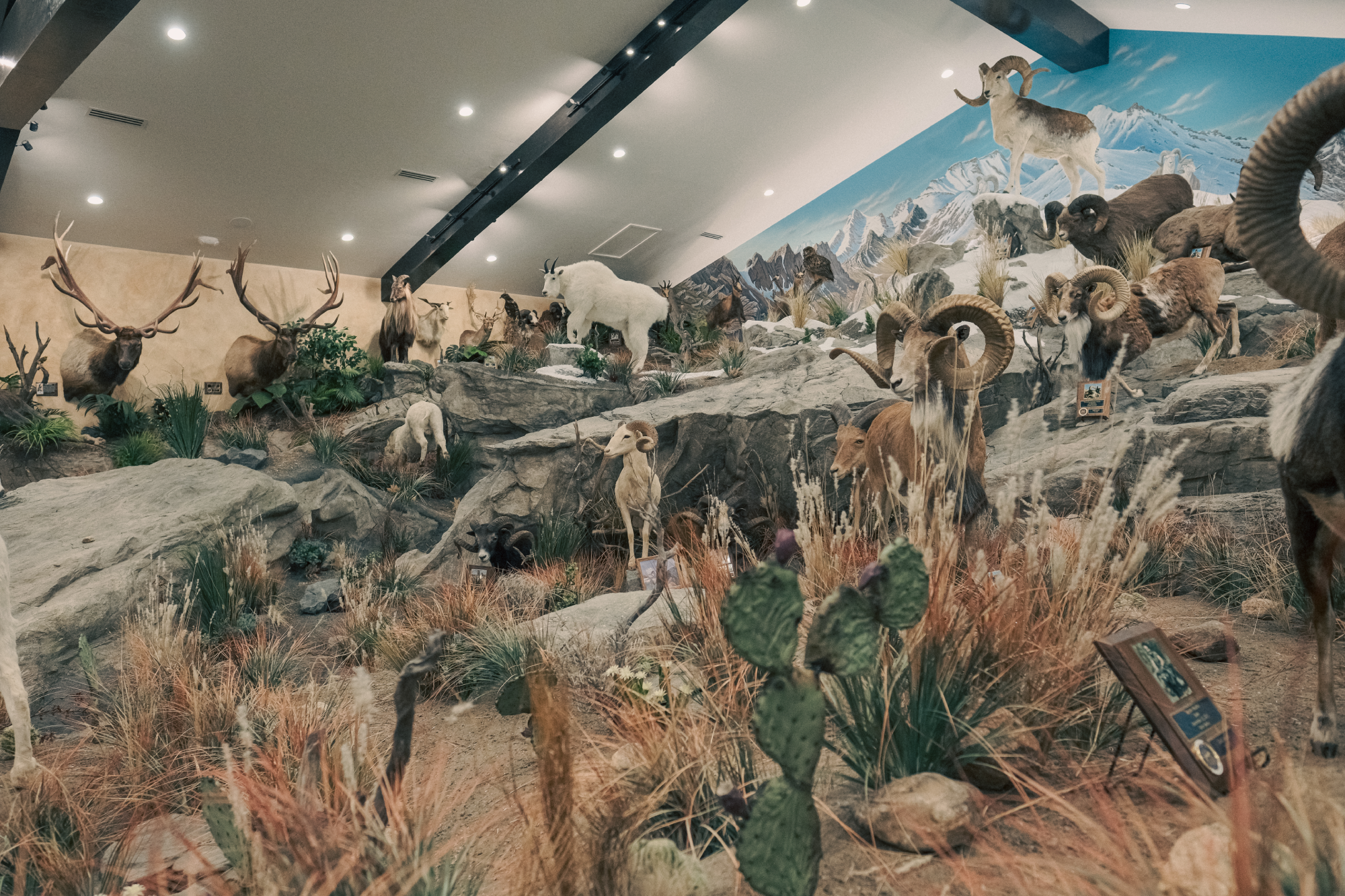
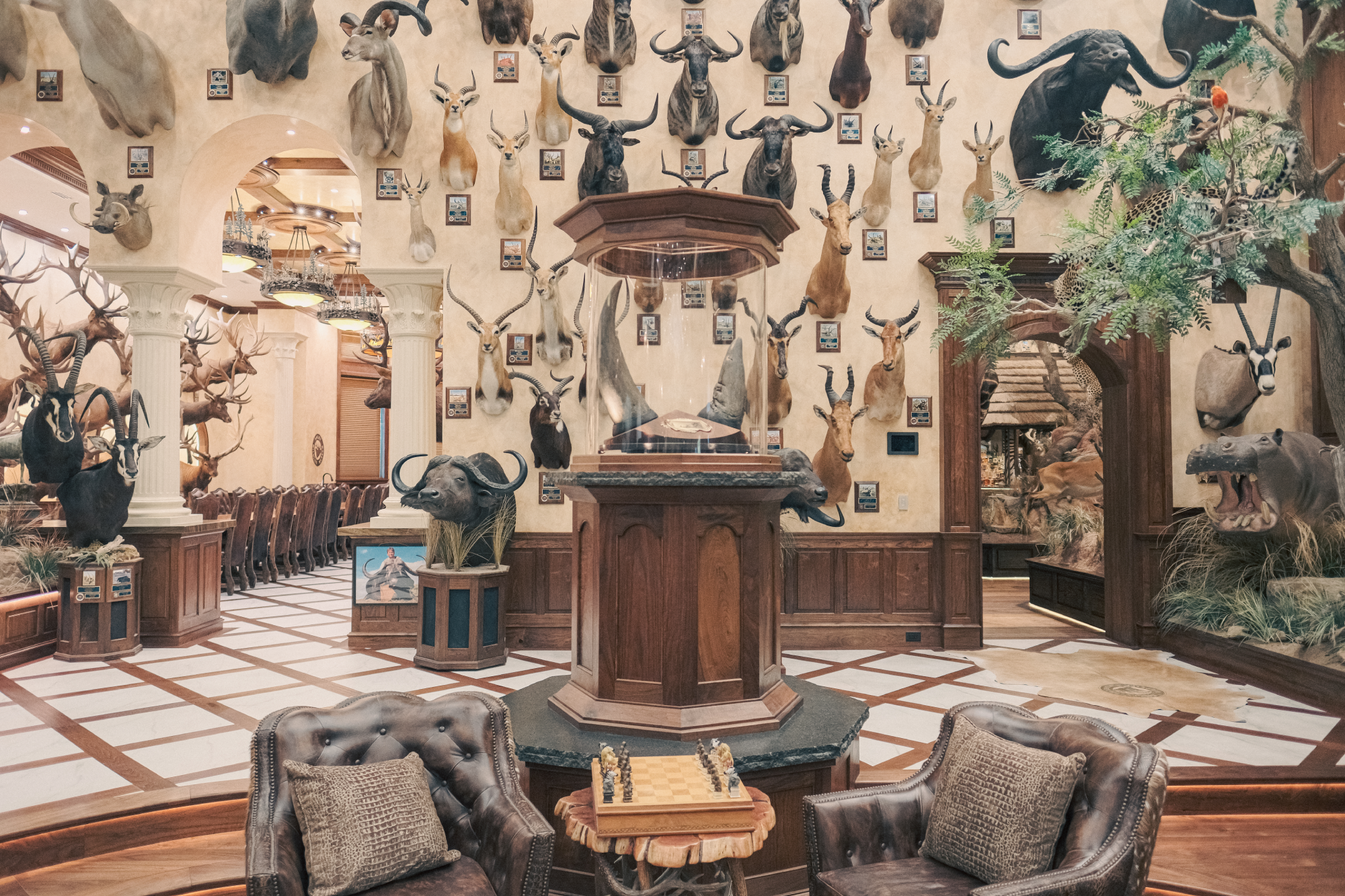
The “African 29” refers to a diverse collection of iconic plains game species across sub-Saharan Africa, including kudu, impala, wildebeest, and zebra, representing the region’s vast biodiversity.
These species are crucial for ecosystem health. As grazers and browsers, they maintain vegetation balance, reduce fire fuel, support soil regeneration, and sustain predator populations, indirectly protecting vast habitats and other endangered wildlife.
Regulated, science-based wildlife management generates significant revenue from hunting permits, guiding, lodges, and tourism, creating vital employment in rural areas. This income provides tangible benefits—such as school funding, clinics, and infrastructure—to local communities. This financial incentive transforms wildlife into a valued, renewable resource, making communities active conservation stakeholders.
Revenue from the African 29 directly funds anti-poaching and wildlife protection efforts, covering ranger salaries, vehicles, and surveillance technology. These funds are often the primary operational budget for enforcement, preventing illegal hunting and habitat loss.
The African 29 illustrates a scientific based conservation model that sustains entire ecosystems and human communities. By combining ecological stewardship with economic participation and reinvestment in protection, these species maintain millions of acres of wild habitat. Their value lies in their ability to support livelihoods, fund conservation infrastructure, and create a shared responsibility, ensuring durable protection for future generations.
Lorem Ipsum

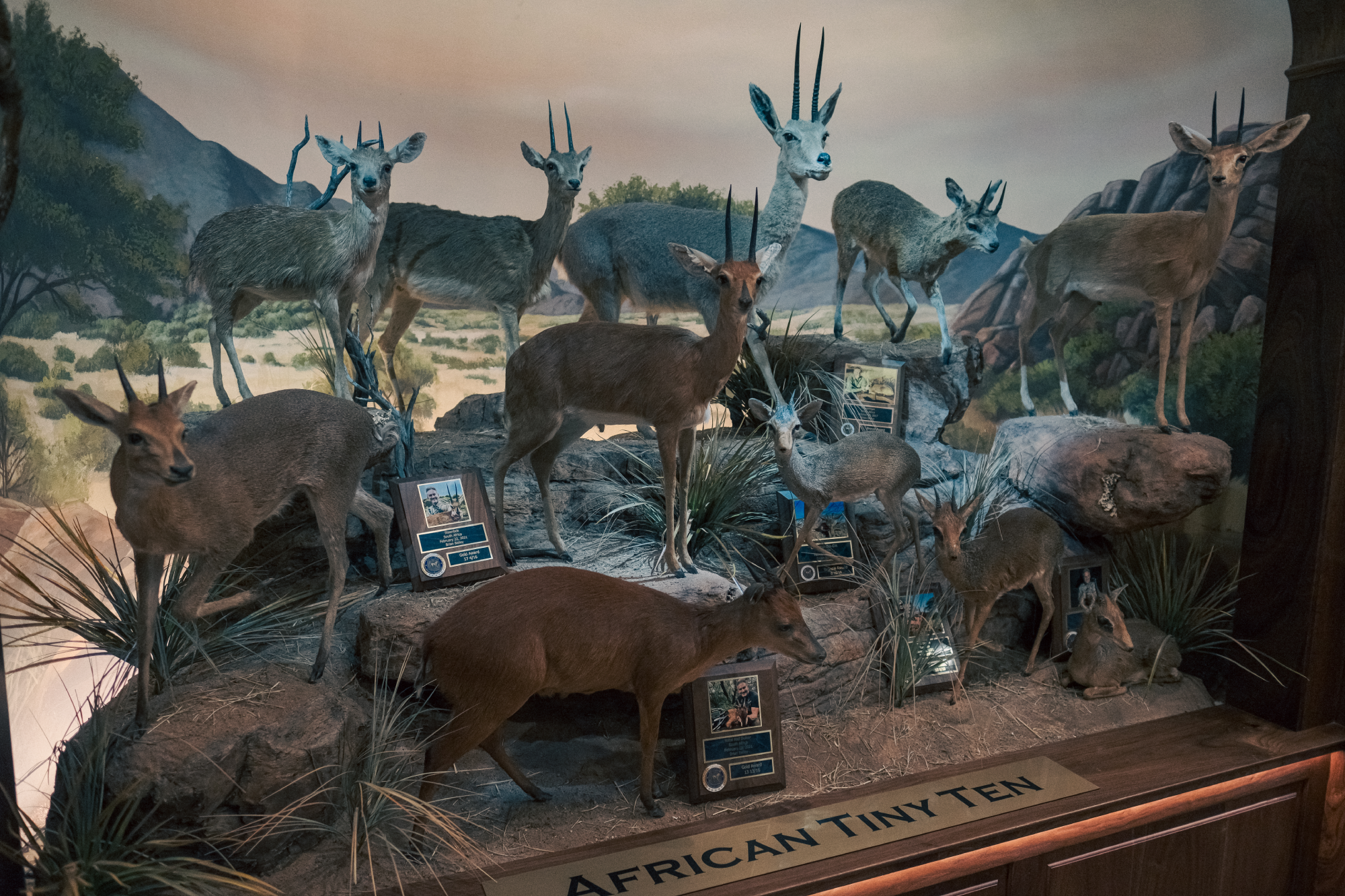
Africa’s “Tiny Ten”—small antelopes like the dik-dik, steenbok, duiker, oribi, and klipspringer—are crucial for ecosystem health, despite being overshadowed by the “Big Five.” Ecologically, they are vital seed dispersers, selective grazers, and prey, supporting biodiversity and predator populations.
Economically, the Tiny Ten are key to sustainable wildlife management. Revenue from regulated photographic tourism, education, and selective hunting funds anti-poaching, habitat preservation, ranger salaries, and community development. This diversification reduces pressure on large megafauna and spreads conservation funding. By providing direct financial benefits through permits and guiding, protecting the Tiny Ten encourages rural communities to value conservation over land conversion. Their value is biological, financial, and cultural, proving that successful conservation protects entire ecosystems, ensuring resilience and sustainability.
Lorem Ipsum
The American Bison’s recovery is a significant modern wildlife success story. Once numbering 30–60 million, populations neared extinction by the early 20th century due to market hunting and westward expansion, with fewer than 1,000 remaining. Recovery began when private landowners, Indigenous nations, and early conservationists protected remnant herds, established breeding programs, and created protected areas like national parks and tribal lands.
Bison are a prairie keystone species. Their grazing, soil aeration, and wallowing manage grass height, increase plant diversity, and create micro-habitats, supporting a healthy grassland ecosystem for many other species.
For many Native American tribes, the buffalo is a spiritual and cultural cornerstone. Modern conservation increasingly features tribal-led restoration, reconnecting communities with traditions, food sovereignty, and economic opportunity.
Today, North America has hundreds of thousands of bison. Management combines public protection, tribal stewardship, and regulated control to prevent overgrazing and disease. Economically, bison support rural economies through ecotourism, ranching, and regulated harvest, funding habitat preservation. Ongoing challenges include habitat fragmentation, limited migration corridors, and genetic diversity concerns. Expanding connected landscapes and maintaining wild herds remain vital goals.
Bison conservation demonstrates a powerful restoration model where ecology, culture, and economics intersect, proving that sustained stewardship can revive species brought to the brink.
Lorem Ipsum

Spanish ibex recovery, after historic declines due to disease and overharvest, relies on regulated hunting permits. The high value of these limited permits generates significant funding reinvested into:
- Habitat restoration and erosion control
- Veterinary research and disease surveillance
- Anti-poaching patrols and ranger staffing
- Population surveys and genetic monitoring
- Water development and winter-range support
This structure ensures the Slam supports ibex herd stability and growth.
As agile herbivores, ibex are key to mountain ecology. Their grazing controls shrub growth, disperses seeds, maintains plant diversity, reduces wildfire fuel, and sustains open habitats vital for various endemic species in southern Europe.
The Spanish Ibex Slam provides crucial economic support to remote Spanish mountain communities. Revenue from guided hunts, lodging, and services offers dependable income. This incentive encourages landowners and municipalities to preserve wild landscapes, linking community prosperity to wildlife stewardship.
The Slam exemplifies how a carefully controlled, high-value permit system acts as a conservation engine. By limiting access, enforcing biological quotas, and reinvesting proceeds, Spain maintains strong ibex populations and protects their rugged habitats.
The Spanish Ibex Slam is more than the pursuit of four trophies—it’s a framework where recreation, economics, and science intersect to ensure the long-term resilience of wild ibex and their mountain ecosystems supported by hunters.
Lorem Ipsum
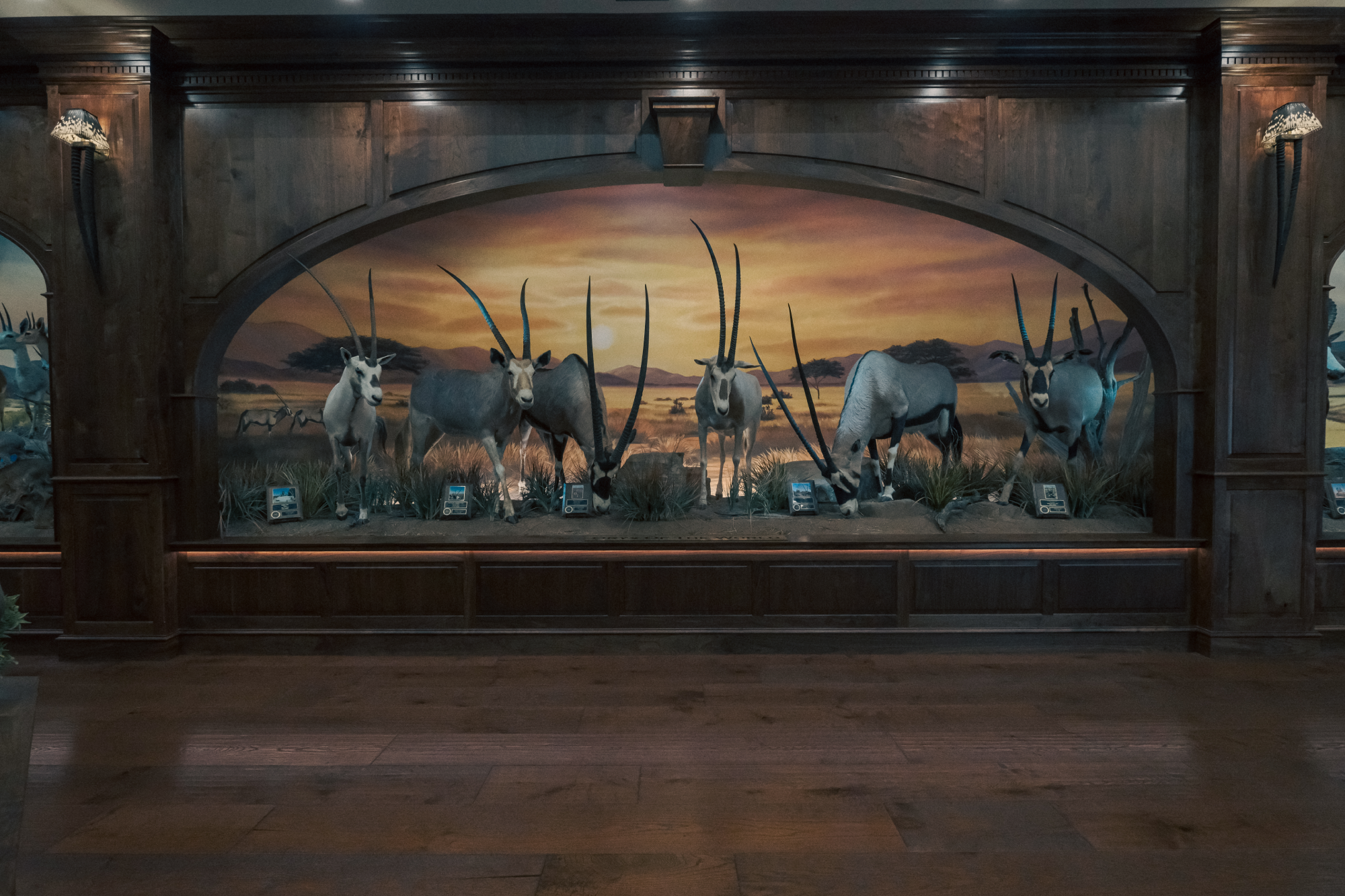
The term “oryx” encompasses several closely related species with varying conservation statuses: the Arabian Oryx and Scimitar-Horned Oryx were once extinct in the wild but have been successfully reintroduced through captive breeding and international cooperation. The Gemsbok is stable, while the East African Oryx faces localized pressures.
Oryx recovery highlights the success of collaborative captive-breeding programs, which preserved genetic diversity and supplied animals for reintroduction, proving that extinction in the wild is reversible.
Conservation efforts are often tied to sustainable economic value. Wildlife tourism and regulated programs generate revenue for habitat protection and anti-poaching, creating economic incentives for governments and rural communities to preserve arid ecosystems. This income supports local employment, fostering long-term stewardship.
As desert herbivores, oryx are vital for maintaining plant balance, dispersing seeds, and supporting predator–prey dynamics in fragile arid ecosystems. Protecting them also safeguards the expansive desert and savanna habitats.
Despite this progress, threats like habitat fragmentation, illegal hunting, and climate change persist. Continued success requires sustained funding, cross-border cooperation, and science-based management.
Lorem Ipsum
The White-tailed Deer is a major North American conservation success.
Highly adaptable herbivores, whitetails influence plant growth and ecosystem health by dispersing seeds. Managed populations are vital for balanced ecosystems; however, overpopulation—without management—causes habitat degradation, increased vehicle collisions, crop damage, and disease spread.
Whitetail management is central to the North American user-pay conservation model. Revenue from hunting licenses, tags, and excise taxes on equipment provides billions of dollars for:
- Habitat improvement and land acquisition
- Wildlife research and disease monitoring
- Public-land access and trail systems
- Conservation law enforcement
- Education and hunter-safety programs
The widespread distribution of whitetails ensures consistent funding that supports not only deer management but also non-game wildlife and endangered species initiatives.
The whitetail significantly boosts local and regional economies via outdoor recreation, guiding, equipment sales, and tourism, creating reliable revenue streams that incentivize land stewardship. Regulated harvests reduce human-wildlife conflicts, lowering agricultural losses and improving roadway safety while maintaining herd health within the land’s carrying capacity.
Modern conservation addresses issues like chronic wasting disease (CWD) monitoring, habitat fragmentation, suburban overpopulation, and genetic diversity. Partnerships among agencies, landowners, Indigenous nations, nonprofits, and outdoor participants are essential for adaptive management.
In essence, whitetail deer conservation highlights both recovery and responsibility. Their resurgence proves the power of regulated hunting and habitat investment, while continued stewardship ensures healthy populations, balanced ecosystems, and enduring conservation funding.
Lorem Ipsum
Will Need more information on this section, these birds have special permits tied to them.
Lorem Ipsum
The Wild Turkey Hunting Slam is a major achievement, recognizing hunters who harvest all four primary U.S. Wild Turkey subspecies: Eastern, Osceola, Rio Grande, and Merriam’s. The birds inhabit distinct terrains, making the slam a significant logistical and physical challenge.
Wild turkeys are considered a population success having rebounded dramatically thanks to regulated hunting and license-funded wildlife management. Revenue from permits, tags, and excise taxes supports research, habitat improvement, and public-land access, benefiting countless species.
The Wild Turkey Hunting Slam symbolizes participation in a successful wildlife recovery story, merging tradition, skill, and stewardship of healthy ecosystems across the globe.
Lorem Ipsum

The Ovis World Slam recognizes the pursuit of the four primary North American wild sheep species: Dall, Desert Bighorn, Rocky Mountain Bighorn, and Stone Sheep. The Slam is intrinsically linked to one of the world’s most successful wildlife conservation efforts. A Conservation-Driven Achievement
The Slam exists because wild sheep populations faced critical lows due to disease, habitat loss, and unregulated hunting. Recovery demanded intensive, science-based management. Sheep hunting is intentionally limited and expensive as a conservation mechanism. Permit fees, auction tags, and revenues generate millions annually, which are reinvested into:
- Habitat restoration and water development
- Disease research and veterinary monitoring
- Translocation (capture and relocation) efforts
- Predator–prey studies
- Anti-poaching enforcement
The conservation model tied to the Ovis Slam has successfully re-established sheep in historically occupied North American habitats. These successful translocation strategies have influenced global conservation for other mountain ungulates. While focusing on four North American species, the impact extends worldwide. Ovis-focused funding, research, and management lessons inform international practices, from Central Asian Marco Polo sheep to European Iberian and mouflon management. Economic & Community Benefits
Wild sheep conservation benefits rural economies through guide services, lodging, and air charters. Scarce, highly valued permits fund large-scale conservation work that benefits not only sheep but also mountain goats, elk, deer, and entire alpine ecosystems.
More Than a Trophy
The Ovis World Slam embodies a user-funded conservation model where personal pursuit equals stewardship. The achievement signifies the sustained protection of fragile ecosystems, as healthy sheep populations are a barometer of healthy mountains—indicating clean water and intact migration corridors. The Slam symbolizes how regulated, science-backed hunting, funding, and accountability directly contribute to the global resilience of wild sheep.
Lorem Ipsum
The North American elk recovery is considered one of North America’s greatest conservation successes. Once numbering in the millions, elk populations plummeted by the early 1900s due to unregulated hunting and habitat loss. Coordinated efforts—including habitat restoration, regulated hunting, public-land protection, and scientific management—led to a strong rebound across the West and successful reintroductions in the East.
As a keystone herbivore, elk shape plant communities through grazing, stimulate growth, and create habitat diversity. Their migrations disperse seeds and nutrients. Healthy elk populations indicate intact corridors, clean water, and balanced predator-prey dynamics.
Elk recovery is largely due to the user-funded conservation model. Revenue from hunting licenses and excise taxes funds habitat restoration, research, law enforcement, and public-land maintenance. Highly sought-after elk tags provide sustainable funding for ecosystem-wide conservation.
Elk conservation supports rural economies through hunting, guiding, lodging, and year-round wildlife tourism. Controlled harvests help manage herd sizes, reducing crop damage and vehicle collisions while maintaining healthy populations.
Ongoing Stewardship
Despite the dramatic recovery, ongoing conservation is vital. Challenges like habitat fragmentation, migration-corridor loss, disease management, and human-wildlife conflict require constant monitoring. Collaboration among agencies, Indigenous nations, conservation groups, landowners, and outdoor participants remains essential.
Lorem Ipsum
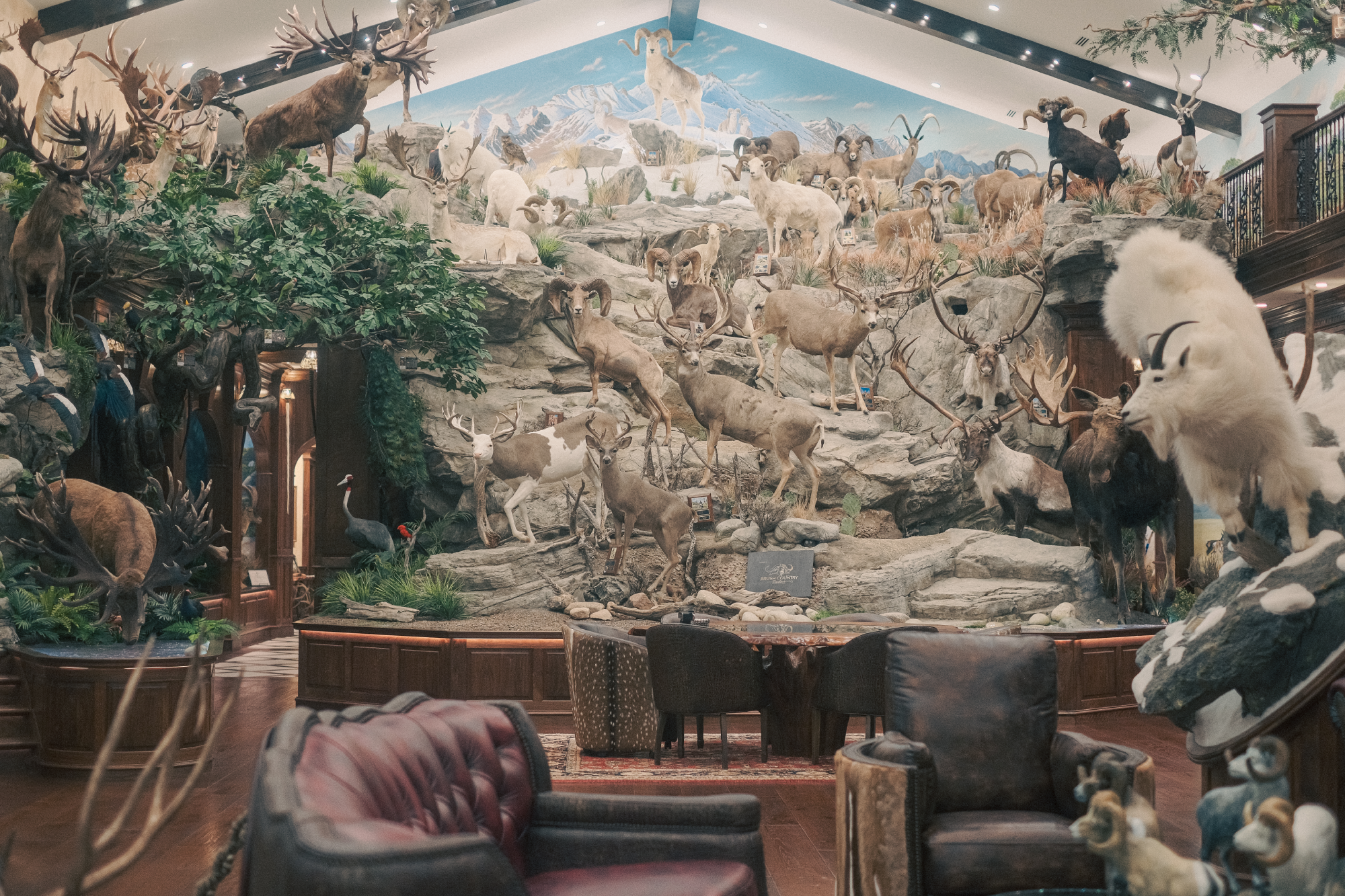
The Hakuna Matata: Circle of Life Diorama at the Bailey Wildlife Museum is a visual tribute to natural harmony, inspired by The Lion King but grounded in real-world ecology. This carefully crafted savanna exhibit showcases wildlife—predators, herbivores, and their environment—to illustrate the interconnected “Circle of Life” and how ecosystems function.
The exhibit re-imagines Hakuna Matata (“no worries”) as a call for mindful stewardship, emphasizing that a secure future for wildlife depends on informed conservation and responsible human interaction. Through detailed artistry and lifelike positioning, the diorama immerses visitors in a peaceful yet powerful educational snapshot of biodiversity.
More than a display, it is a three-dimensional conservation message, encouraging all ages to recognize that the health of wildlife, grasslands, and predators is inseparable from our own environmental choices. The museum honors the symbolism of the Circle of Life with accurate natural history, offering a nostalgic and meaningful reminder that coexistence is a shared responsibility.
Lorem Ipsum